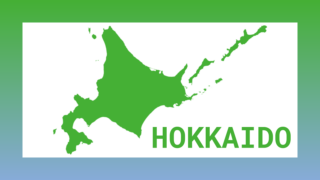
Late Sunday afternoon, right after I finished stashing my weekday meal prep into the fridge, I finally opened a spreadsheet to calculate my remaining Furusato Nozei allowance for the year. (For anyone living and paying taxes in Japan, this hometown tax program lets you redirect part of your tax bill to regional towns in exchange for local specialties—all for a net ¥2,000 out-of-pocket cost.) I had already sorted out my Hokkaido tarako comparison, which left one final heavy hitter on my list: uni.
The tricky part with Hokkaido sea urchin is that both the species and the harvest season change completely depending on the coastline. If you just click the top-ranked listing without checking the details, it is surprisingly easy to end up waiting until next summer for something you wanted for New Year’s—or getting a totally different flavor profile than you pictured.
Misreading the shipping window and regional style is honestly the biggest trap with uni. Looking at what is actually open for orders as of November 2026, I broke down Northern, Eastern, and Southern Hokkaido side by side—including who each region is not really suited for.
Quick Comparison: Hokkaido’s 3 Major Uni Regions
Before diving into the details, here is a quick overview of how Dohoku (North), Doto (East), and Donan (South) stack up. Match your craving—and your calendar—against the table below.
| Feature | North (Rishiri, Rebun, Wakkanai) | East (Rausu, Nemuro) | South (Hokuto, Hakodate, Okushiri, Matsumae) |
|---|---|---|---|
| Main Uni Type | Kitamurasaki-uni (Purple) | Ezo-bafun-uni (Red) | Curated Additive-Free / Kitamurasaki-uni |
| Flavor Profile | Clean, refined sweetness; large firm grains | Rich, creamy, deep umami | Pure wooden-box sweetness / brisk ocean aroma |
| Peak & Shipping | Early–mid summer (Jun–Aug) Pre-ordering for Summer 2027 |
Winter–spring (Jan–Jun) Pre-ordering for Jan–Jun 2027 |
Year-round (Uni Murakami in Hokuto) Summer (Okushiri from Jul 2027) |
| Typical Donation | ¥15,000+ (90g+) | ¥22,000+ (100g+) | ¥19,000+ (100g+) |
| Best For | Patiently waiting for summer’s peak | Rich winter-to-spring indulgence | Getting fresh uni before New Year’s (Hokuto) |
Northern Hokkaido: Rishiri-Kelp-Fed Kitamurasaki-uni
In northern towns like Rishiri, Rishirifuji, Rebun, and Wakkanai, the star is Kitamurasaki-uni. Because these sea urchins feed directly on prized Rishiri kombu—the gold standard of Japanese soup kelp—their pale yellow roe develops large, well-defined grains with a remarkably clean, transparent sweetness. They hold their shape well, too, which is why high-end sushi counters in Tokyo ask for them by name.
As of November 2026, almost all fresh saltwater-pack listings from this region are pre-orders scheduled to ship between June and August 2027.
Who Should Skip Northern Uni
As gorgeous as that clean sweetness is, if you are specifically chasing the heavy, custard-like richness of orange bafun-uni, Northern uni might taste a little too light. And obviously, summer pre-orders will not help if you want a year-end treat right now. (Booking a perishable delivery seven or eight months out also means keeping an eye on your summer travel schedule so you do not miss the courier.)
If you really want a taste of the north this winter, Rebun Town offers alum-free frozen raw uni that ships year-round within a few weeks—a much more practical backup.
Eastern Hokkaido: Rich, Creamy Ezo-bafun-uni
Head east to Rausu and Nemuro, and you are in Ezo-bafun-uni territory. Famous for its vivid orange color, this variety—especially from Rausu, where it feasts on thick Rausu kombu—delivers an intense, creamy richness and deep umami the second it hits your tongue.
Eastern Hokkaido’s fishing season runs from winter through spring (January to June), so current November 2026 listings are mostly pre-orders for January–June 2027 delivery. Nemuro in particular has plenty of slots starting from late January 2027.
Who Should Skip Eastern Uni
Here is a catch that surprised me when I first looked closely at Eastern listings: some municipalities (including Nemuro and Kushiro) process imported uni from Russia, Chile, or the Northern Territories locally and offer it as Furusato Nozei gifts. There is nothing wrong with the quality, but if you want strictly Hokkaido- or Rausu-caught uni, always scroll down and check the origin field before hitting donate.
Also, because Ezo-bafun-uni is so rich, it can feel a bit heavy if you eat a huge portion at once. If you usually prefer lighter seafood, starting with an 80g to 100g pack is the safer play.
Southern Hokkaido: Artisan Wooden Boxes & Historic Fisheries
Southern Hokkaido plays by slightly different rules, splitting into two distinct camps: specialist processors in Hokuto and Hakodate, and historic coastal fisheries in Okushiri and Matsumae.
The standout here is Uni Murakami (founded in 1954), whose Furusato Nozei gifts are primarily offered through Hokuto City. Instead of shipping in saltwater, their artisans hand-pack completely additive-free, alum-free uni into traditional wooden boxes (kibako) or loose-pack trays, selecting whichever species is in peak condition at that time of year.
Who Should Skip Southern Uni
Because Hokuto’s Uni Murakami listings accept orders year-round and ship promptly within days, they are easily the strongest option if you are determined to put fresh uni on your table before the end of 2026. Just read the fine print carefully: some refrigerated loose-pack (barazume) options list shipping fees separately.
And do not assume every Southern Hokkaido listing ships right away—Okushiri Town’s natural, free-dived Kitamurasaki-uni is a summer delicacy, with current orders slated to ship from July 2027 onward.
Picking the Right Box for Your Kitchen
If you are still torn between regions, picture how you actually want to eat it once the box arrives. Saltwater packs (ensui packs) give you that melt-in-your-mouth, just-shucked sweetness, though they have a very short shelf life and require draining the brine before serving. If you want zero prep—just open the lid and spoon it straight over hot rice—an additive-free wooden box or loose-pack tray is effortless. And if your weeknights are unpredictable, frozen raw uni lets you thaw a portion whenever it fits your schedule.
To sum up the timing: go South (Hokuto) for an immediate year-end splurge, East for a rich winter-to-spring reward, and North if you are happy to lock in next summer’s highlight right now. Check your calendar first, and the right choice pretty much makes itself.