This post contains affiliate links.
Monday evening, after swimming about 800 meters at the municipal pool to loosen up my stiff shoulders, I stopped by Seicomart on the way home. (If you have never lived in Hokkaido, Seicomart is our beloved local convenience store chain, famous for its Hot Chef counter serving freshly cooked meals.) I grabbed a hot katsudon and a salad, soaked in the tub to warm up, and finally opened my laptop to sort out the rest of my Furusato Nozei quota for the year.
For foreign residents paying income and residence taxes in Japan, Furusato Nozei is one of the best perks around—you redirect part of your municipal taxes to another region and get local food or gifts in return for a net out-of-pocket cost of ¥2,000. Yet even living right here in Sapporo, I still agonize every year over which town to pick for crab. Nemuro, Okhotsk, and Soya might all be in Hokkaido, but the species they land and how they process them are completely different.
Here is an honest breakdown of all three regions, including the practical trade-offs that are easy to miss when you are just scrolling through glossy photos.
Comparing Hokkaido’s Three Major Crab Regions
Before getting into specific municipalities, it helps to see how the three areas stack up side by side.
| Area (Municipality) | Strengths | Best For | Watch-Outs |
|---|---|---|---|
| Nemuro (Nemuro City) | Massive catch volume, Hanasaki crab, bulk packs | Value hunters, sashimi and hot pot feasts | Needs freezer space; Hanasaki shells are tough |
| Okhotsk (Mombetsu, Kitami, Abashiri) | Drift-ice nutrients, shell-free processing | Zero-hassle eating, gifts, smaller households | Higher cost per gram due to prep labor |
| Soya (Wakkanai, Esashi) | Cold-water Big Three crabs, #1 hair crab catch | Branded hair crab and red snow crab fans | Pricier tiers; check spring pre-order dates |
Looking at them together makes one thing clear: picking purely by weight or donation amount is the fastest way to end up with a mismatch.
1. Nemuro Area (Nemuro City): Unbeatable Volume and Value
Out on the easternmost tip of Hokkaido, Nemuro is a major fishing port famous for its local specialty, Hanasaki crab, alongside snow crab, red king crab, and hair crab. The city also runs aquaculture and seedling research through the Nemuro City Fisheries Research Institute, and knowing that donations go toward fishery resource funds makes it easy to feel good about supporting them.
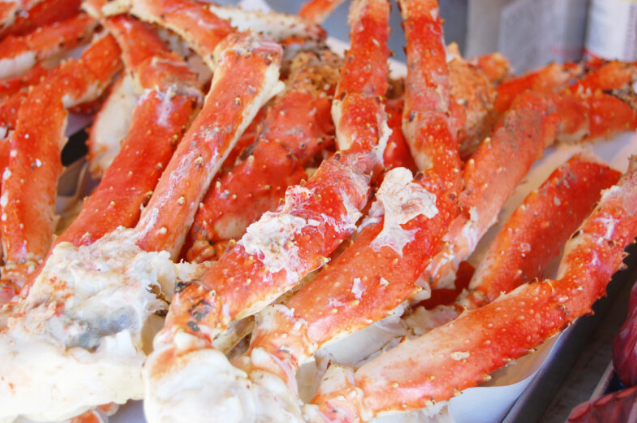
For sheer variety and portion size—whether you want sashimi-grade cut snow crab, boiled red king crab legs, or multi-crab hair crab bundles—Nemuro is hard to beat.

Nemuro Cut Raw Snow Crab 1.4kg-1.6kg [Furusato Nozei]
Note: Links to Rakuten Japan (Chrome auto-translate works well).
Pre-cut raw snow crab that you can eat as sashimi is great when you want both raw crab and warm crab shabu-shabu in the same meal.

Nemuro Boiled Red King Crab Legs 1kg-2kg [Furusato Nozei]
Note: Links to Rakuten Japan (Chrome auto-translate works well).
If you want hearty, meaty bites, boiled red king crab legs are a classic centerpiece—just thaw them and put them straight on the table.

Nemuro Boiled Hair Crab 1-8 Pieces [Furusato Nozei]
Note: Links to Rakuten Japan (Chrome auto-translate works well).
Nemuro’s boiled hair crab sets let you choose anywhere from one crab up to eight, making it easy to match your household size and remaining tax allowance.
What to Watch Out For in Nemuro
The biggest trap with Nemuro’s bulk packs is freezer space. When a 1.4 kg to 2 kg box shows up at a one- or two-person apartment, a standard kitchen freezer fills up instantly. (I still remember the mild panic when my parents sent a box of frozen seafood and my freezer drawer refused to close, leaving me scrambling for insulated bags at midnight.)
Hanasaki crab is incredible for rich umami, too, but its shell is covered in hard, sharp spikes—keep sturdy kitchen shears and thick work gloves nearby unless you want scratched-up fingers. You can browse the full lineup on the Furusato Choice Nemuro City page.
2. Okhotsk Area (Mombetsu, Kitami, Abashiri): Drift-Ice Sweetness and Zero-Shell Prep
Crabs raised in the Sea of Okhotsk feed on plankton and minerals brought south by winter drift ice, giving them firm meat and deep sweetness. Hair crab caught right after the drift ice clears and boiled dockside while still live is on another level for freshness.
Still, the main reason I recommend this area is its shell-free craftsmanship. Mombetsu’s shell-in portions (kora-mori), Kitami’s peeled shabu-shabu cuts, and Abashiri’s “Kedama” whole-crab packs are hand-picked by pros so you do not have to wrestle with shells. Whether you are having a relaxed dinner with a partner or sending a gift to parents, nobody goes dead silent for twenty minutes just cracking legs.

Premium Snow Crab Shell-In Portions [Furusato Nozei]
Note: Links to Rakuten Japan (Chrome auto-translate works well).
These generous snow crab shell-in portions come with additive-free crab miso—all you do is thaw and grab a spoon.
What to Watch Out For in Okhotsk
Convenience costs money. Because hand-peeling takes real labor, you get less total meat per yen here than you would with whole crabs or unpeeled bulk boxes from Nemuro. If your priority is eating until you are stuffed—or turning shell-cracking into a noisy family event—Okhotsk’s tidy portions might feel a little understated.
Details and seasonal options are laid out nicely on the Mombetsu Furusato Direct crab special if you want to compare ready-to-eat styles.
3. Soya Area (Wakkanai, Esashi): Cold-Water Classics and Japan’s Top Hair Crab
Up at Japan’s northernmost tip, Wakkanai faces rough, icy waters where all three major Hokkaido crabs are landed. Just down the coast in the same Soya subprefecture, Esashi holds the highest hair crab catch volume in Japan and is famous for top-grade “4-Toku” Esashi hair crab.
Wakkanai’s red snow crab (beni-zuwaigani) also deserves a closer look. It sits in a lower donation bracket than standard snow crab while still packing plenty of juicy sweetness.

Wakkanai Red Snow Crab Claws 500g-1.5kg [Furusato Nozei]
Note: Links to Rakuten Japan (Chrome auto-translate works well).
Available in 500 g to 1.5 kg packs starting around ¥8,000, these Wakkanai red snow crab claws are super handy when you want to fine-tune the last few thousand yen of your annual Furusato Nozei limit.
What to Watch Out For in Soya
Flagship picks like Esashi special hair crab or Wakkanai’s 700 g twin-crab sets carry serious scarcity value, so expect higher donation tiers around ¥40,000 to ¥50,000 and up.
You also need to watch the shipping calendar. Chilled boiled hair crab caught after the drift ice retreats is often listed as a pre-order shipping around March of the following year—so if you are picturing crab on your New Year’s table, double-check the dispatch month before clicking order.
Thawing Tips and How to Make Your Final Pick
Whichever municipality you go with, thawing is where good crab gets ruined. Leaving it on the counter or microwaving it forces out flavorful juices and dries out the meat. Transfer boiled crab or shell-in portions to the fridge 12 to 24 hours ahead for a slow, cold thaw. (The only exception is raw sashimi portions—keep them sealed in the bag and run cold water over them right before eating so they do not discolor.)
If you are putting together a full Hokkaido seafood spread this season, you might also like comparing Hokkaido sea urchin (uni) by region or checking out my four-region Hokkaido kazunoko (herring roe) showdown.
Go with Nemuro for volume and value, Okhotsk for effortless zero-shell dining, and Soya for prized hair crab or budget-friendly red snow crab. Measure your freezer drawer first, picture who you will be sharing the meal with, and lock in the one that fits your table best.