This post contains affiliate links.
“Sushi in Sapporo is delicious no matter where you go”—this is neither an urban legend nor a mere tourism slogan. Having spent three years in Tokyo’s intense tech scene, navigating packed commute trains, and dining at countess sushi counters before relocating back to Sapporo, analyzing this from a software engineer’s perspective reveals that Sapporo’s sushi ecosystem operates at an exceptionally high level unmatched anywhere else in Japan.
The primary reasons lie in the remarkably low “freshness latency”—the minimal time between catch and serving—and an extraordinary ROI (Return on Investment) driven by significantly lower distribution overhead and real estate costs.
However, “Sapporo sushi” spans a vast spectrum: from conveyor-belt chains offering ¥100 plates to top-tier omakase dining exceeding ¥30,000 per person. To help you avoid common pitfalls—such as giving up after facing a 3-hour wait at popular conveyor belt spots or feeling intimidated by counter etiquette—we have created the ultimate攻略 (strategy) guide. We break down Sapporo’s sushi dining into 6 Budget Zones so first-time visitors can effortlessly land the perfect bite.
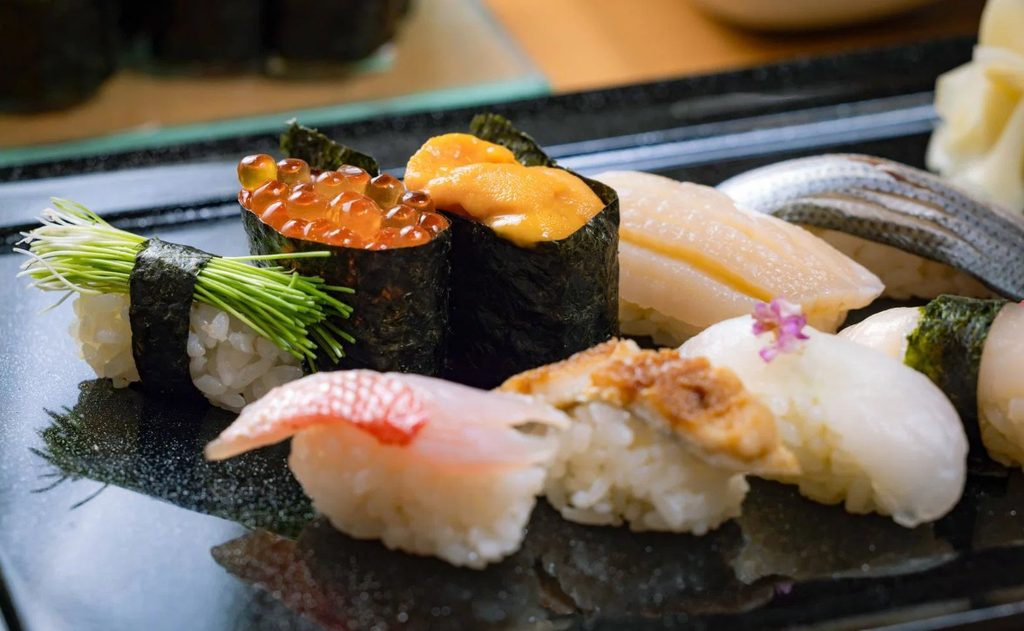
At a Glance: The Complete 6-Zone Sapporo Sushi Map
Let’s start with a high-level overview. We have categorized the sushi landscape into six budget zones based on average cost per person (including light drinks).
| Zone | Budget (per person) | Style / Ordering System | Features & Appeal | Representative Restaurants |
| Zone ① | ¥1,000–¥2,000 (~$7–$14 USD) | Major 100-Yen Conveyor Belt Chains (Touchscreen / Express Lane) | Affordable, fast, and stress-free. Great variety of side dishes and kid-friendly options. | Uobei, Sushiro, Hama-sushi |
| Zone ② | ¥2,000–¥4,000 (~$14–$27 USD) | Hokkaido Gourmet Conveyor Belt (Handwritten Slips / Touchscreen) | Huge toppings, peak freshness, and local specialties. Highly popular with long queues. | Triton, Nemuro Hanamaru, Nagayakatei, Matsuriya |
| Zone ③ | ¥3,000–¥6,000 (~$20–$40 USD) | Casual Authentic & Standing Sushi (Standing / Counter / Set Menus) | The best option to skip 2-hour waits. Outstanding lunch sets with quick seating. | Shiki Hanamaru, Standing Hanamaru, Sushidokoro Hyotan, Otaru Masa-zushi |
| Zone ④ | ¥6,000–¥12,000 (~$40–$80 USD) | Traditional Counter & Classic Dining (A La Carte / Course / Counter) | Meticulous Edomae preparation (kelp-curing, simmering) in a refined atmosphere. Ideal for dates or family dinners. | Sushizen (Daimaru/Tsubomitei), Sushi Kukai |
| Zone ⑤ | ¥15,000–¥25,000 (~$100–$170 USD) | High-End Omakase (Reservation Required) | Seasonal local seafood combined with master craftsmanship. Exceptional pacing, aging, and temperature control. | Nidaime Tatsuyoshi, Sushi Sakai |
| Zone ⑥ | ¥30,000+ (~$200+ USD) | Top-Tier Culinary Theater (Ultra-Exclusive / Special Occasions) | An artistic culinary experience drawing gourmands nationwide. World-class ambiance, pairing, and artistry. | Himeshara, Sushi Miyakawa |
Beginner-Friendly Basics: How to Order & Sushi Etiquette in Sapporo
Walking into a counter sushi restaurant can feel intimidating if you are unsure of ordering rules or dining etiquette. Understanding the basic ordering UI (User Interface) beforehand ensures a smooth and pleasurable experience anywhere in Hokkaido.
1. Understand the Ordering System (UI) by Restaurant Style
- Touchscreen Order System (Zone ① & select Zone ②): Simply tap your choices on the tablet at your seat. You can easily select options like “Small Rice” (Shari-koma) or “No Wasabi” (Sabi-nuki), making this completely stress-free for beginners.
- Handwritten Order Slips (Zone ② & select Zone ③): Use the order slips and pens provided at the table. Write down the sushi name, number of plates, and whether you want wasabi, then hand it to the chef or server. Ordering 4–5 varieties per sheet keeps the workflow clean and polite.
- Omakase Chef’s Choice (Zone ⑤ & Zone ⑥): There are usually no physical menus. The chef serves a curated sequence of appetizers and nigiri showcasing the best seasonal catches. If you have dietary restrictions or allergies, inform them during booking or upon arrival.
2. Must-Know Hokkaido Local Sushi Terms
Familiarizing yourself with these local Hokkaido terms makes reading menus significantly more exciting:
- Nama Hotate (Fresh Raw Scallop): Scallops served fresh without ever being frozen. They offer an unmatched thick texture and natural sweetness.
- Nisettai (Two-Generation Topping): A luxurious double-layered topping, such as salmon roe (ikura) stacked over fresh salmon or scallops.
- Hakkaku (Sailfin Poacher): A deep-sea fish unique to Hokkaido with an octagonal body cross-section. Despite its unusual appearance, it yields rich, fatty white flesh.
- Matachi (Pacific Cod Milt): Soft cod milt, a signature winter delicacy in Hokkaido enjoyed raw with ponzu sauce or lightly seared on nigiri.
- Yama-wasabi (Hokkaido Horseradish): White horseradish freshly grated instead of traditional green wasabi. It provides a sharp, refreshing spice that pairs brilliantly with tuna, beef, and white fish.
Detailed Zone Breakdown & Local Strategy Guide
Let’s dive deeper into the characteristics, top choices, and tips for navigating each price zone.
Zone ①: [¥1,000–¥2,000] Major 100-Yen Conveyor Belt Chains
— Affordable, Fast, and Reliable Everyday Dining —
What to Expect
Popular nationwide chains centered around 100-yen-range plates. Everything is ordered via touchscreens, and sushi is delivered rapidly via express lanes. It provides a relaxed, self-contained environment without language barriers.
You might wonder, “Why eat 100-yen sushi in Sapporo?” In reality, Hokkaido’s budget chains benefit from substantially higher inventory turnover, meaning the fish condition is noticeably superior to branches in main-island metropolitan areas. Furthermore, Hokkaido-exclusive ramen and seasonal soups make side-menu variety the best across all zones.
Pro Strategy & Hacks
- Wait Times: Book ahead via the official mobile apps to enter with almost zero wait time, even during peak dining hours.
- Must-Order Items: Salmon variations, seared cheese nigiri, french fries, and seasonal ramen specials.
Representative Shops
- Uobei: Operates an “All-Order” express delivery system without traditional rotating belts. Sushi is pressed upon order, ensuring warm rice and crisp seaweeds. Multiple locations across Sapporo.
- Sushiro / Hama-sushi: Famous for creative collaboration menus and limited-time promotional items. Very welcoming for solo travelers and families alike.
Zone ②: [¥2,000–¥4,000] Hokkaido Gourmet Conveyor Belt Chains
— Overflowing Portions & Peak Freshness Seafood Parks —
What to Expect
When friends visiting Sapporo ask for “insanely delicious, authentic Hokkaido sushi,” this is the top recommendation without hesitation.
The defining feature here is generously thick seafood cuts overflowing off the rice sourced directly from local morning auctions. Plate prices range from ¥150 to ¥600, but because 5 to 7 plates leave most diners completely full, the final bill usually hovers around ¥3,000—yielding an unbeatable price-to-quality ratio.
How to Bypass Queue Bottlenecks
The main drawback is long queues. Popular locations average 1–2 hour waits on weekdays and 3+ hours during weekend peak periods.
- Queue Hack (Asynchronous Processing): Arrive 30 minutes before opening to grab a queue ticket. Once you have your ticket, spend the waiting time exploring nearby attractions, working at a nearby café, or visiting a Seicomart convenience store rather than standing in line.
Representative Shops
- Kaitensushi Triton: The gold standard of Sapporo conveyor belt sushi. Renowned among locals for massive toppings, freshness, and energetic hospitality.
- Nemuro Hanamaru: Specializes in rare catches sent directly from Nemuro Port (Hanasaki crab soup, double scallops, raw salmon roe). The JR Tower Stella Place branch is extremely convenient for tourists.
- Nagayakatei: Hailing from Kushiro, famous for its energetic “Kobore Ikura” (Overflowing Salmon Roe) order, where staff scoop roe onto your sushi accompanied by lively taiko drum beats.
- Matsuriya: A respected eastern Hokkaido chain featuring creative rolls, unique local preparations, and an authentic local vibe.
Zone ③: [¥3,000–¥6,000] Casual Authentic, Standing & Neighborhood Sushi
— Skip the 2-Hour Wait: Quick Chef-Hand-Pressed Sushi —
What to Expect
This zone is custom-tailored for travelers who think, “I want chef-prepared sushi without wasting two hours standing in line.”
It includes non-conveyor-belt outposts operated by top gourmet brands alongside welcoming neighborhood sushi bars. Set menus and lunch specials are prominent, ensuring transparent pricing without budget surprises.
Pro Strategy & Hacks
- Target Lunch Hours (11:00–14:00): High-grade nigiri sets priced at ¥4,000–¥5,000 during dinner are often available for ¥2,000–¥3,000 at lunch, delivering the absolute highest ROI of the day.
Representative Shops
- Standing Sushi Hanamaru (Tachigui): Standing-style dining allowing you to enjoy fresh hand-pressed sushi in 15–30 minutes. Located inside Sapporo Station (Clock Tower Building & Stella Place B1), perfect for train layovers.
- Shiki Hanamaru: A seated restaurant branch of Hanamaru. Relax at comfortable counter or table seats while pairing seasonal sashimi with Hokkaido sake.
- Sushidokoro Hyotan: A warm, authentic neighborhood sushi spot in Susukino offering exceptional quality at reasonable prices.
Zone ④: [¥6,000–¥12,000] Premium Casual & Traditional Edomae Counter Dining
— Refined Craftsmanship & Ambiance for Special Dinners —
What to Expect
Zone ④ marks the transition into true traditional high-end counter sushi. Beyond serving raw fish slices, chefs showcase delicate Edomae techniques: kelp-curing (kobujime), gentle searing, brushing simmered soy sauce (nikiri), and fluffy simmered eel (anago).
The interior focuses on tranquil, sophisticated counter seating. Diners can enjoy seasonal appetizers (sashimi, grilled fish) paired with Japanese sake, finishing with curated nigiri courses.
Beginner Advice
Ordering a la carte piece-by-piece (okonomi) can make budgeting unpredictable. First-timers should opt for fixed course sets around ¥8,000–¥10,000 or order a premium nigiri set paired with 2 seasonal side dishes.
Representative Shops
- Sushizen (Daimaru / Tsubomitei): Experience the legacy of Sushizen—the pioneer of Hokkaido’s luxury sushi culture—in an accessible, welcoming environment with flawless hospitality.
- Sushi Kukai: A hidden gem located in Susukino. Celebrated for meticulous preparation, relaxing atmosphere, and approachable Edomae craftsmanship.
Zone ⑤: [¥15,000–¥25,000] High-End Reservation-Only Omakase
— The Pinnacle of Craftsmanship & Rare Local Ingredients —
What to Expect
Restaurants in this range generally operate on a strict reservation-only basis, serving exclusive chef’s choice (omakase) tasting menus.
Handpicked Hokkaido treasures—top-grade sea urchin, botan shrimp, aged white fish—are presented alongside supreme Pacific bluefin tuna sourced from Japan’s finest markets.
Every element is engineered: rice temperature management, custom red vs. white vinegar blends, precise aging days per fish, and delicate knife scoring. It reveals sushi as a deep, multi-layered culinary art form—ideal for milestone celebrations or unforgettable travel highlights.
Representative Shops
- Nidaime Tatsuyoshi (Book via Klook): Located just away from the bustling Susukino strip, this renowned establishment offers a tranquil, elevated dining experience. The balance between delicately prepped fish and perfectly textured rice is sublime. The seamlessly orchestrated flow from appetizers to nigiri within a serene space makes it a must-visit for serious seafood lovers.
- Sushi Sakai: A sophisticated counter space delivering exquisite nigiri that draws gourmands nationwide. The artistic knife work and beautiful plating create a memorable evening.
Zone ⑥: [¥30,000+] Supreme Omakase & Culinary Theater
— World-Class Culinary Artistry & Unforgettable Dining —
What to Expect
This top-tier zone is reserved for elite establishments where seats must be secured months in advance. These restaurants represent the absolute peak of Japanese culinary excellence.
From the chef’s core philosophy and historic ceramic tableware to curated wine and sake pairings, every detail forms a flawlessly directed “seafood theater.” The quiet rhythm of the knife on the cutting board and the immediate explosion of flavor create an unforgettable sensory memory.
Representative Shops
- Himeshara (Book via Klook): Nestled in the quiet, upscale Maruyama neighborhood, Himeshara is a Michelin-starred sanctuary of sushi art. Renowned for its unique service style—alternating seamlessly between cooked appetizers and nigiri—and advanced aging techniques that elevate seafood flavor to its absolute limit. The master chef’s vision and elegant space make it the ultimate setting for life’s biggest milestones.
- Sushi Miyakawa: One of Japan’s most acclaimed sushi destinations. Its philosophy of subtraction highlights the pure essence of each ingredient, leaving diners spellbound from the very first bite.
Tokyo vs. Sapporo: Analyzing Market Architecture
Comparing three years of dining in Tokyo with life in Sapporo highlights major structural advantages in Hokkaido’s sushi ecosystem:
【Structural Comparison: Tokyo vs. Sapporo Sushi】

【Tokyo Sushi Landscape】
■ High-End (¥20,000–¥40,000+)  : Outstanding quality (Nation's top catches & master chefs assemble)
■ Mid-Range (¥5,000–¥10,000)   : Inconsistent satisfaction (High rent & transport costs inflates prices)
■ Value Tier (¥1,000–¥3,000)   : Structural limits on portion size & peak freshness

【Sapporo Sushi Landscape】
■ High-End (¥20,000–¥40,000+)  : Master artistry meets pinnacle local catches (e.g., Himeshara)
■ Mid-to-High (¥15,000–¥25,000): Astonishing ROI on skill and ingredient quality (e.g., Nidaime Tatsuyoshi)
■ Casual / Conveyor (¥2,000–¥4,000): Freshness & portion size rivaling ¥10,000 Tokyo spots (e.g., Triton, Hanamaru)
1. Substantially Lower “Freshness Latency”
In Tokyo, regional seafood is transported to Toyosu Market, auctioned, and redistributed to restaurants. While Tokyo excels at aged tuna and white fish, delicacies reliant on immediate freshness and natural sweetness—such as live scallops, whelk, sea urchin, squid, and cherry salmon—reach Sapporo dining tables within hours of harvest.
2. Unbeatable ROI in Mid-to-Low Tiers (Zones ② & ③)
A ¥3,000 sushi meal in Tokyo often comes with noticeable compromises. In Sapporo’s Zone ② (local gourmet conveyor belt), ¥3,000 yields giant fresh scallops, sweet additive-free sea urchin, and thick salmon slices. For international travelers, the perceived value (ROI) is 2 to 3 times higher for the exact same spend.
Seasonal Guide: When is Hokkaido Sushi Best?
While many assume winter is the only time for Hokkaido sushi, every season brings a unique peak seafood rotation in Sapporo. Tailoring your visit to seasonal specialties dramatically elevates your culinary experience.
【Sapporo Seasonal Seafood Calendar】
🌸 Spring (Mar–May) : Sakura Trout, Spear Squid, Spring Herring, Hokke (Atka Mackerel)
☀️ Summer (Jun–Aug) : Fresh Uni (Shakotans/Rishiri), Flying Squid, Hokkai Shrimp, Hanasaki Crab
🍁 Autumn (Sep–Nov) : Fresh Ikura (House-cured Salmon Roe), Fall Salmon, Raw Shishamo
❄️ Winter (Dec–Feb) : Matachi (Cod Milt), Tsubugai (Whelk), Sweet/Botan Shrimp, Winter Yellowtail
🌸 Spring (March–May): Delicate Flavors & Melting Sweetness
- Sakura Trout (Cherry Salmon): Hokkaido’s iconic spring fish. It features an elegant, velvety fat that melts delicately on the palate.
- Spring Herring (Nishin): While herring is commonly grilled elsewhere in Japan, Hokkaido serves it as fresh nigiri. Deboned meticulously, it is surprisingly rich and flavorful.
- Spear Squid (Yari-ika): Translucent with a delicate, crunchy bite and subtle sweetness.
☀️ Summer (June–August): Additive-Free Sea Urchin (Uni) Peak Season
- Fresh Sea Urchin (Uni): June marks the opening of uni fishing in Shakotan and Rishiri. Unlike urchin processed with alum preservatives elsewhere, Hokkaido summer uni is served in natural saltwater (Mizuni). It has zero bitterness, dissolving into pure ocean sweetness.
- Hokkai Shrimp: Vibrant red when boiled, offering a sweet, highly concentrated shrimp flavor.
- Hanasaki Crab: A rich, flavorful crab caught during summer in Eastern Hokkaido. Always order it if offered in soups (Teppojiru) at conveyor belt chains!
🍁 Autumn (September–November): House-Cured Fresh Salmon Roe (Ikura)
- Fresh Raw Ikura: In autumn, restaurants hand-marinate freshly harvested salmon roe in custom soy sauces. The soft texture and rich flavor burst effortlessly—an experience impossible to replicate with frozen roe.
- Raw Shishamo: Available for only a few weeks in autumn along Hokkaido’s southern coast. Served raw or lightly seared, it presents a delicate white-fish flavor.
❄️ Winter (December–February): Deep-Sea Fat & Crisp Shellfish
- Matachi (Cod Milt): A star winter delicacy. Exceptionally creamy and served raw with ponzu or lightly seared on nigiri.
- Whelk & Scallops (Tsubugai / Hotate): Cold winter waters firm up shellfish meat, yielding a crisp snap and sweetness.
- Hakkaku: A unique-looking deep-sea fish loaded with clean, rich white-fish fat. Best enjoyed with a touch of Hokkaido horseradish (Yama-wasabi).
Conclusion: Pick the Right Zone for the Ultimate Sapporo Sushi Experience
The true magic of Sapporo’s sushi scene is that no matter which budget zone you choose, top-tier satisfaction within that price bracket is guaranteed.
- For massive Hokkaido portions and vibrant local atmosphere: Zone ② (Triton, Nemuro Hanamaru)
- To save time and enjoy chef-pressed sushi at high ROI: Zone ③ (Standing Hanamaru, Hyotan)
- For refined culinary artistry and unforgettable omakase dining: Zone ⑤ (Nidaime Tatsuyoshi) or Zone ⑥ (Himeshara)
Select the zone that aligns best with your budget, travel schedule, and dining companions to enjoy the ultimate sushi adventure in Sapporo!