Where to Live in Sapporo: Best Neighborhoods Within 30 Mins of Sapporo Station
2026-03-15
“I’m relocating or returning to Sapporo, but I don’t know the local layout well enough to pick an area.”
“I work a hybrid schedule—about half remote, half in-office. Where can I live comfortably with minimal transit friction?”
If you’re moving to Sapporo for the first time or coming back after years away, this is the very first roadblock you run into.
Back when I worked as a web engineer in Tokyo, packed into the sweltering heat of the Den-en-toshi Line morning rush, I remember staring blankly into space thinking, “Why am I draining my life energy like this every single day?” Since moving back to Sapporo, my mental and physical QOL as an engineer has reached a completely different level. With expansive open skies, incredible local food, and everyday essentials packed into a compact urban footprint, Sapporo is undeniably one of the finest cities in Japan to build both a career and a balanced life.
There is just one critical catch: if you choose an apartment using the mental model of a snow-free region, you will hit a fatal system crash the moment your first winter hits.
In this guide, we will focus on prime residential neighborhoods within 30 minutes of Sapporo Station, reverse-engineering the ideal location from functional requirements: daily transit efficiency, winter survival resilience, and remote-work quality of life. Think of it as system architecture design—broken down into practical, actionable criteria.
3 Non-Negotiable Requirements for Apartment Hunting in Sapporo
Before diving into specific station areas, let’s establish three fundamental baseline requirements. Compromising on these will cause technical debt that is nearly impossible to refactor later.
1. [High Availability] The Subway is 99.9% Reliable Infrastructure; JR Trains Trade Speed for Space
When analyzing Sapporo’s public transit network, winter weather tolerance is your primary metric.
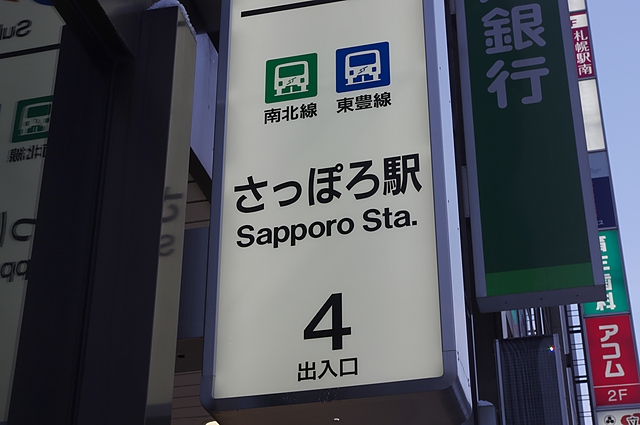
The Subway Lines (Namboku, Tozai, and Toho Lines): Operating entirely underground, trains run on schedule near 100% of the time, regardless of howling blizzards outside. If your top priority is zero-stress winter commuting, living along a subway line is the default choice.
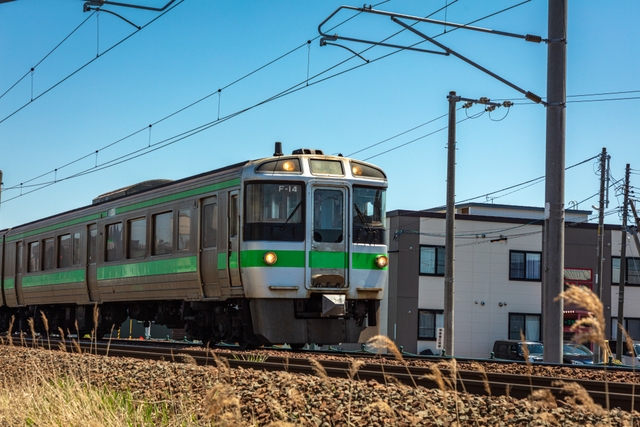
JR Lines (Chitose, Hakodate, and Gakuentoshi Lines): JR trains reach Sapporo Station rapidly and offer significantly larger floor plans for the same rent budget. However, they carry the trade-off of service delays and blizzard-induced suspensions during heavy winter snowstorms.
2. [Low Latency] Strictly Enforce an “Under 5-Minute Walk” to the Station
When an apartment listing says “10-minute walk to station,” that feels like a pleasant, breezy stroll from spring to autumn. In winter, however, sidewalks shrink between towering snowbanks and turn into treacherous sheets of slick black ice. Your walking speed drops by half, and that 10-minute walk easily stretches into a taxing 15- to 20-minute trek.
To keep the freezing winds and slip-and-fall hazards from draining your daily HP (hit points), staying within a 5-minute walk of the station entrance is an unshakeable local rule.
3. [Critical Lifeline] Position a “Seicomart” Along Your Daily Commute Path
Hokkaido’s proud homegrown convenience chain, Seicomart (universally known as “Secoma”), isn’t just a convenience store—it is essential lifeline infrastructure.
After a grueling night of troubleshooting code when your brain is completely fried, Secoma’s “Hot Chef” made-in-store fried chicken, warm pork rice bowls (butadon), comforting Japanese sweets, and affordable 100-yen side dish packs are absolute lifesavers. Having a reliable Secoma between the station ticket gate and your front door will visibly improve your daily recovery rate.
At a Glance: Best Neighborhoods Within 30 Minutes of Sapporo Station
Here is an architectural comparison matrix of our primary candidate areas:
Neighborhood
Main Lines
Transit Time to Sapporo Sta.
New Chitose Airport Access
Avg. Rent (1LDK)
Best Suited For
Kotoni
JR / Tozai Subway Line
JR: ~6 min / Subway: ~11 min
Direct (JR Rapid Airport)
Moderate to slightly high
Frequent business travelers, hybrid commuters
Maruyama-Koen
Tozai Subway Line
~15 min (transfer at Odori)
Transfer needed (Subway + JR)
Premium (¥70k–¥90k)
Nature lovers, quiet streets, café culture, high QOL
Kita-24-Jo
Namboku Subway Line
~4 min (direct)
Transfer needed at Sapporo Sta.
Budget to moderate
Direct downtown access, high cost-efficiency, singles
Gakuen-Mae
Toho Subway Line
~6 min (direct)
Transfer needed at Sapporo Sta.
Moderate
Avoiding crowds, serene riverside living near downtown
Full-remote workers building large multi-monitor desk setups
Subway Line Neighborhoods: Zero Winter Delays and Direct Downtown Access
Let’s start with subway-connected neighborhoods—ideal for those whose project deadlines or office schedules cannot afford winter weather delays.
1. Kotoni (Nishi Ward · Tozai Line / JR): Built-In Redundancy (Failover) for Frequent Travelers
Transit: JR Kotoni to Sapporo Station in approx. 6 minutes by Rapid. Subway Kotoni to Odori Station in 11 minutes direct.
Average Rent (1LDK): ¥60,000 – ¥75,000
Why Tech Workers Love It
In infrastructure design terms, Kotoni features full network redundancy. Because both the JR line and the municipal subway line run through the district, if severe snowfall halts the JR system, you can instantly fail over to the underground subway to reach central Odori and Sapporo Station.
One practical engineering caveat: JR Kotoni Station and Subway Kotoni Station sit roughly 800 meters apart (a 10- to 15-minute walk). While that is an enjoyable stroll through the local shopping district in summer, rolling heavy luggage through a blizzard is not realistic. Always keep a secondary fail-safe in mind: if JR halts in deep winter, hail a short taxi or jump on a local bus from the station rotary to connect to the subway.
Kotoni’s biggest competitive advantage is that JR Kotoni is a designated stop for the JR Rapid Airport service.
If you travel frequently to Tokyo for tech conferences, client meetings, or your favorite artist’s concerts, wheeling your suitcase directly from your local station to New Chitose Airport’s terminal gate with zero transfers is an unbeatable luxury. Reserving a JR “u-Seat” (¥840) via your smartphone guarantees you a spacious seat, dedicated power outlet, and uninterrupted work time while moving.
Surrounding the stations are large supermarkets like Aeon, late-night drugstores, and vibrant local eateries, keeping your daily errands compact. Naturally, you’ll find multiple Secomarts scattered conveniently along the main streets.
2. Maruyama-Koen to Nishi-28-Chome (Chuo Ward · Tozai Line): The Ultimate Oasis for Remote Work QOL
Transit: Subway Tozai Line to Odori Station in 5–6 minutes. Sapporo Station is approx. 15 minutes with a transfer at Odori.
Average Rent (1LDK): ¥70,000 – ¥90,000 (newer builds and sub-3-minute station properties command a premium)
Why Tech Workers Love It
If you spend the majority of your week working from home and prioritize clean aesthetic surroundings and high environmental quality, Maruyama is the gold standard.
When you spend hours locked into intense coding sessions, mental fatigue inevitably peaks by late afternoon. Being able to step outside your lobby and reach the deep old-growth forests of Maruyama Park or the serene grounds of Hokkaido Shrine within minutes is an irreplaceable luxury. Clearing your head during a brisk walk while your smartwatch tracks your step count and heart rate easily becomes a daily wellness ritual.
The neighborhood is exceptionally safe, beautifully manicured, and peppered with independent specialty coffee roasters and artisan bakeries. While rents are on the higher end for Sapporo, it is an easy investment to justify if you believe a premium living environment directly enhances your creative and engineering output.
For airport runs, your most reliable route is taking the subway to Odori and transferring to Sapporo Station, or taking the Tozai Line east to Shin-Sapporo Station to catch the JR Rapid Airport. Airport limousine buses do operate from Maruyama Bus Terminal, but departures are limited to only a handful per day, and winter highway conditions introduce unpredictable traffic delay risks. Consider the direct airport bus a nice bonus when departure times happen to align, rather than your primary transit artery.
3. Kita-24-Jo to Kita-18-Jo (Kita Ward · Namboku Line): 4 Minutes to Sapporo Station with Optimal Cost-Efficiency
Transit: Subway Namboku Line direct to Sapporo Station in 4–5 minutes; Odori Station in approx. 6 minutes.
Average Rent (1LDK): ¥50,000 – ¥65,000
Why Tech Workers Love It
This is the pragmatic engineer’s dream: minimizing travel latency to Sapporo Station while keeping fixed operational overhead (rent) strictly controlled.
Bordering Hokkaido University’s expansive campus, this district has an abundant supply of single-occupant and 1LDK rental units. You can find well-equipped, modern apartments at very reasonable monthly rates. The area is filled with affordable, hearty student-friendly diners and 24-hour grocery stores, keeping daily living expenses remarkably low.
It’s also ideal for desk workers who swim to relieve stiff neck and shoulder tension. Kita-24-Jo offers easy access to the Kita Ward Gymnasium’s heated indoor lap pool, making it effortless to establish an evening digital-detox swim routine. From spring through autumn, the central Sapporo Station area is an easy 10- to 15-minute bicycle ride (around 2.5 to 3 km) straight down the boulevard.
4. Gakuen-Mae to Toyohira-Koen (Toyohira Ward · Toho Line): Escape the Crowds and Enjoy Open Skies
Transit: Subway Toho Line direct to Sapporo Station in 6–8 minutes.
Average Rent (1LDK): ¥55,000 – ¥68,000
Why Tech Workers Love It
Among Sapporo’s three subway arteries, the Toho Line is generally the least crowded and most relaxed. If years of surviving Tokyo’s packed commuter crushes left you with crowd fatigue, the calm atmosphere on this platform will feel like an instant relief.
The true highlight of this district is the nearby Toyohira River corridor. With few high-rises obstructing your view, taking an evening walk along the riverbanks under Hokkaido’s sweeping sky is an incredible mental reset. Toyohira Park’s heated pool and sports training facilities are also right within your regular neighborhood circuit.
You can reach Sapporo Station without a single transfer in under 10 minutes, yet the streets are remarkably peaceful at night. It is a fantastic hidden gem for those who want downtown proximity without the noise of entertainment districts.
JR Line Suburbs: Unlocking High Speed and Massive Floor Plans
“I want a spacious 1LDK or 2LDK so I can build a dedicated home office with a motorized standing desk, dual monitor arms, and an ergonomic task chair.”
“I don’t mind living slightly further out if it lets me double my living space for the same rent.”
If that sounds like your wishlist, the JR Hakodate Main Line and JR Chitose Line corridors deserve serious consideration. Just remember the prerequisite: you should work remotely at least half the week, with the schedule flexibility to stay home on days with severe blizzard alerts.
5. Kitahiroshima (JR Chitose Line): Perfectly Positioned Between Downtown and the Airport
Transit: JR Chitose Line (Rapid Airport) to Sapporo Station in approx. 17–20 minutes; New Chitose Airport in approx. 20 minutes.
Average Rent (1LDK): ¥50,000 – ¥65,000 (offers noticeably larger floor areas than central Sapporo for the same price point)
Why Tech Workers Love It
Kitahiroshima has emerged as one of Hokkaido’s most dynamic emerging smart cities, catalyzed by the opening of ES CON FIELD HOKKAIDO (Hokkaido Ballpark F Village).
Its strategic superpower is that it sits almost dead center between Sapporo Station (~17–20 mins) and New Chitose Airport (~20 mins). Hopping on the daytime Rapid Airport service gives you direct, transfer-free access in either direction. For professionals who make monthly flights to headquarters in Tokyo or tour the country for events, there is no transit hub with less wasted travel friction.
Extensive civic redevelopment around the ballpark has produced clean, modern public infrastructure alongside lush green parks. Matching your Sapporo budget here unlocks an extra room or significantly wider dimensions, making it an outstanding candidate for anyone building an isolated, noise-controlled studio workspace.
6. Teine (Teine Ward · JR Hakodate Main Line): Lightning-Fast 10–15 Min Express and Mountain Trails
Transit: JR Hakodate Main Line (Rapid / Semi-Rapid) to Sapporo Station in approx. 10–15 minutes.
Average Rent (1LDK): ¥48,000 – ¥60,000
Why Tech Workers Love It
Looking at a map, Teine might feel like the distant western edge of Sapporo. In reality, jumping on a rapid service shoots you straight into Sapporo Station in just 10 to 15 minutes. Your actual seat time is often shorter than taking a local subway from the outer terminal stations.
Furthermore, Teine Station features direct Rapid Airport and Special Rapid services running straight through to New Chitose Airport multiple times per hour throughout the day. You don’t have to haul rolling luggage across a platform transfer at Sapporo Station, making domestic flight itineraries delightfully simple.
As the primary rail hub on the city’s west side, train frequencies are high, and the station is directly integrated via covered walkways with supermarkets and ward municipal offices, streamlining daily life.
Mount Teine looms right behind the district, putting winter skiing/snowboarding and summer trail running right in your backyard. If your dream work style is deep coding sessions during the week and heading straight into alpine adventures on the weekend, Teine is hard to beat.
7. Nopporo (Ebetsu City · JR Hakodate Main Line): The Ultimate Value Play for 100% Remote Setups
Transit: JR Hakodate Main Line (Local Train) to Sapporo Station in approx. 20–25 minutes.
Average Rent (1LDK): ¥45,000 – ¥55,000 (spacious 2LDK layouts are readily available in the ¥60,000 range)
Why Tech Workers Love It
Located in the city of Ebetsu immediately east of Sapporo, Nopporo is the definitive secret weapon for engineers and creators whose primary objective is maximizing room dimensions while minimizing monthly burn rate.
The ride itself takes 20 to 25 minutes, but current schedules primarily run local trains here at roughly 3 to 4 departures per hour during the day. Factoring in potential station waits and winter snow slowdowns, daily commuting pushes right up against our 30-minute operational threshold. For this reason, Nopporo is specifically tailored for full-remote professionals who only need to travel into the central office once or twice a week on clear days.
Because rent levels drop substantially compared to central Sapporo, a standard budget easily covers a generous 2LDK. You can comfortably set up dual 27-inch monitors, a high-end ergonomic chair, and dedicated cable management shelving with room to spare.
Following elevated rail track redevelopments, the station area features clean brick-paved streets, alongside trendy heritage hubs like EBRI (a converted historic brick factory turned commercial complex). With wide, flat avenues and a relaxed college-town vibe, it provides a quiet, focused environment for deep work.
Decision Logic Flow: Find Your Ideal Match
Use this conditional routing flow to pinpoint your ideal neighborhood based on your work constraints and lifestyle priorities:
Q1. Are you strictly required to be in-office even during heavy winter blizzards?
├─ YES (Daily commute / zero delay tolerance) ──> Select Subway Lines (Go to Q2)
└─ NO (Flexible / remote on severe snow days) ──> JR Lines are on the table! (Go to Q3)

Q2. What is your top lifestyle priority?
├─ "Frequent domestic flights + need subway-to-JR failover" ──> [Kotoni]
├─ "Love nature walks, artisanal cafes, and high aesthetic QOL" ──> [Maruyama-Koen]
├─ "Direct, fast downtown access on a disciplined budget" ──> [Kita-24-Jo]
└─ "Dislike packed trains; prefer wide open skies and peace" ──> [Gakuen-Mae]

Q3. What do you seek most from a suburban location?
├─ "Strategic midpoint between Sapporo Station and New Chitose Airport" ──> [Kitahiroshima]
├─ "Blazing-fast rapid commute + daytime direct airport trains + outdoor sports" ──> [Teine]
└─ "Full-remote focus: maximum room square footage and lowest rent" ──> [Nopporo]
Winter-Ready Inspection Checklist for First-Time Renters
Once you’ve narrowed down your target areas, run your shortlisted apartments through this winterization inspection checklist before signing a lease:
Heating Utility Type (City Gas / Kerosene vs. LP Gas): Heating utilities will define your winter monthly operating costs. Using high-powered heating in an apartment run on propane (LP gas) will result in eye-watering winter utility bills. Always prioritize properties equipped with city gas (都市ガス) or central kerosene (灯油) heating and hot water.
On-Site Road Heating (ロードヒーティング): Buildings with snow-melting heating cables embedded under the parking and entrance walkways save you from having to shovel snow before leaving for work in the morning.
Choose 2nd Floor or Higher: Ground-floor units absorb severe cold radiating up from the frozen earth, and deep exterior snowdrifts can pile up against windows, blocking natural daylight. For insulation performance and privacy, upper floors are strongly advised.
Double-Glazed / Insulated Sash Windows (二重サッシ): While standard in most modern Sapporo apartments, always double-check during viewings. Dual-pane glass is vital for thermal retention, acoustic isolation, and condensation prevention.
Verify Seicomart Operating Hours: While Secoma is your ultimate lifeline, unlike mega-chain convenience stores, many branches are not 24/7 (often closing at 23:00 or midnight). If you frequently count on late-night sustenance after long development sprints, check the exact operational hours of your closest branch in advance.
Summary: Reverse-Engineer from Your Daily Transit Flow
Even within a 30-minute radius of Sapporo Station, each neighborhood delivers an entirely distinct set of operational strengths:
For redundant transit lines and seamless airport connectivity: Kotoni
For remote work mental focus and scenic daily walks: Maruyama-Koen
For ultra-efficient, budget-smart direct access to downtown: Kita-24-Jo
For balanced transit midway between downtown and airport flights: Kitahiroshima
For rapid rail speed paired with direct airport trains and alpine trail access: Teine
For expansive square footage to build the ultimate home developer setup: Nopporo
Start by mapping out your actual routine: how many days a week you will visit the office, how frequently you board flights at New Chitose Airport, and how you want to spend your downtime at home.
Once you identify the neighborhood that fits your system requirements—and locate your favorite neighborhood Secoma—you will be set up to experience the absolute best of balanced, productive life here in Hokkaido!