
Whether you’re typing away at your keyboard or holding a warm mug with both hands, catching a glimpse of neatly manicured nails instantly lifts your mood during a busy workday.
Having previously worked at a tech company in Tokyo and now working as a remote engineer after moving back to Sapporo, I noticed a striking difference between the two cities: the percentage of people who visit nail salons, preferred design aesthetics, and overall salon care philosophies vary significantly.
In Sapporo especially, nail salons prioritize natural nail health. Many salons adopt “non-sanding” techniques—such as Para Gel (which requires no surface buffing) or fill-in methods—creating a strong local culture centered around damage-free, healthy gel nails.
In this article, I’ll break down the real differences in nail culture between Sapporo and Tokyo using data and personal experience, covering salon usage rates, local care preferences, and winter nail care tips in Hokkaido!
1. Nail Salon Usage Rates: Tokyo vs. Sapporo (Data vs. Reality)
First, let’s look at the statistics on how many people regularly visit nail salons, along with the real-life atmosphere in both cities.
Nail Salon Usage Rate Comparison
According to nationwide beauty survey data in Japan, annual nail salon usage rates show clear regional differences:
- Tokyo: Approx. 22.7% (Top tier nationwide; about 1 in 4–5 women visit salons regularly)
- Hokkaido (Centered around Sapporo): Approx. 11%–13% (Close to the national average)
Looking strictly at numbers, Tokyo has a significantly higher salon usage rate.
The Real Feeling: “Gel Nails Were the Norm in Tokyo”
When I worked in Tokyo, having gel nails felt like the standard baseline for working women. Whether holding train straps during the morning commute or typing next to coworkers at the office, polished nails were everywhere. Designs ranged from simple one-color sets to bold, custom nail art, making salon visits a regular lifestyle routine much like getting a haircut.
In contrast, returning to Sapporo felt a bit different at first—nail art isn’t quite as universally ubiquitous on the street as it is in Tokyo.
However, among working women in their 20s and 30s, IT professionals, office workers, and remote workers in Sapporo, the story changes. Nationwide, around 40% of women in their 20s have salon experience. In Sapporo, an increasing number of women visit salons regularly—not to show off, but for clean personal grooming and a subtle daily boost in morale.
2. Tokyo vs. Sapporo: 3 Key Differences in Nail Culture & Trends
Having visited salons in both Tokyo and Sapporo, here is a detailed breakdown of how trends, care techniques, and salon choices compare across three major categories.
| Comparison Key | Tokyo Nail Salons | Sapporo Nail Salons |
| Popular Designs | Edgy mode styles, statement art, 3D charms | Sheer “churun” shine, skin-matching nuance, understated glow |
| Technique Focus | Speed, high design precision | Damage-free nail care (Para Gel & Fill-in) |
| Salon Choice | Famous nail artists, time efficiency | Transparent flat-rate pricing, relaxing ambiance |
1) Design Aesthetic: Edgy & Fashion-Forward (Tokyo) vs. Elegant & Sheer (Sapporo)
Salons in trendy Tokyo hubs like Shibuya, Omotesando, and Shinjuku lean toward high-fashion edgy designs, bold 3D charms, and asymmetrical nail art that makes a strong personal statement.
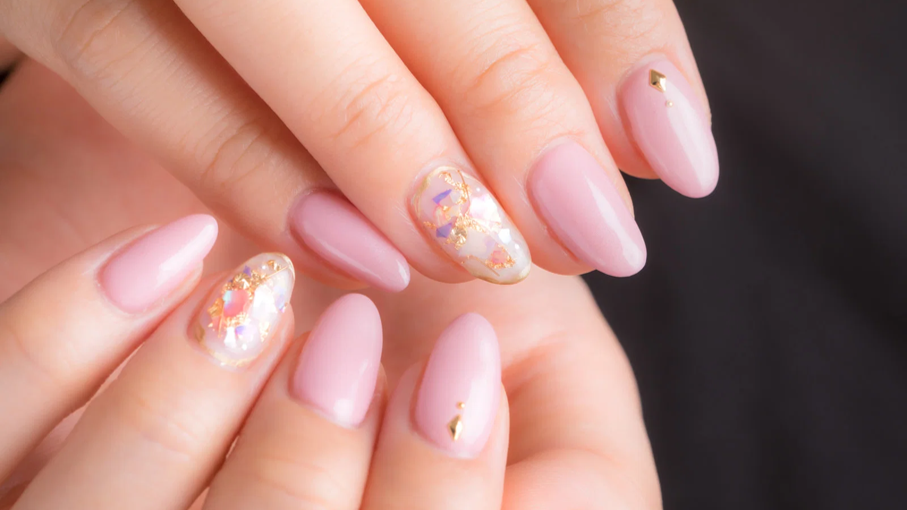
In Sapporo, the most popular styles lean heavily toward “churun” (dewy, glassy finish), subtle sheer colors, and sophisticated magnetic gel nails with a soft, multi-dimensional shimmer.
- Office-Friendly Sophisticated Colors: Beige, greige, and sheer pink hues that lengthen the fingers while remaining subtle and professional.
- Subtle Dimensional Shine: Soft magnetic gel powder and fine pearl finishes are preferred over chunky, flashy glitter.
2) Application Technique: A Strong Focus on “Non-Sanding” Nail Health
In Tokyo, fast-paced salons often rely on full acetone soak-offs and surface nail buffing (sanding) with every new set.
In Sapporo, however, the overwhelming majority of salons prioritize natural nail care, utilizing methods that eliminate heavy buffing to keep natural nails healthy for the long term.
- Widespread Availability of Para Gel: Using base gels that adhere tightly without scraping or sanding the natural nail bed has become a local standard.
- Popularity of the “Fill-In” Method: Rather than using harsh acetone, nail technicians file down only the top and color layers, leaving a thin layer of the existing base gel intact before applying the new set.
3) Salon Experience: Flat-Rate Pricing & Comfort First
While Tokyo clients often seek out famous celebrity nail artists or quick 45-minute express services, clients in Sapporo value predictable flat-rate menus and calm, cozy spaces.
Pre-designed flat-rate nuance courses allow clients to choose curated nail art within a set budget—a practical option that local women love for managing monthly beauty costs.
3. Why “Non-Sanding” Healthy Gel Care Thrives in Sapporo
The widespread preference for damage-free nail techniques in Sapporo is closely linked to Hokkaido’s northern climate and lifestyle.
The Impact of Cold Winters and Severe Dryness
During Hokkaido’s sub-zero winters, indoor heating drastically drops humidity levels. Extreme dryness dehydrates nails, making them brittle, prone to cracking, or prone to peeling in layers.
Repeatedly scraping brittle nails or using drying acetone removals weakens the nail bed further, resulting in thin, fragile nails and poor gel retention.
Long-Term Nail Health Over Short-Term Trends
Sapporo women take a practical, long-term approach to beauty. Instead of prioritizing temporary trends at the cost of nail damage, they choose healthy alternatives like Para Gel and fill-in techniques to maintain strong nails for years to come.
Many local nail technicians align with this mindset, offering thorough consultations aimed at “growing and nurturing strong natural nails.”
4. Winter Nail & Hand Care Culture in Snow-Covered Sapporo
Understanding nail care in Sapporo means considering how locals adapt to nearly six months of cold weather.
1) High Demand for Hand Spas & Cuticle Treatments
During winter, many salon clients add hand spa treatments and cuticle care to their gel nail appointments.
Exfoliating dry cuticles, paraffin wax treatments, and deep-moisturizing hand creams are highly popular for preventing hangnails and chapped skin caused by severe winter cold.
2) Why Pedicures Remain Popular Even in Snow Boot Season
You might expect people to skip foot care when wearing thick socks and snow boots all winter, but winter pedicures remain surprisingly popular in Hokkaido.
- Hot Springs & Sauna Culture: Day-trip hot springs (onsen) and saunas are a regular part of Hokkaido lifestyle, meaning bare feet are frequently exposed.
- At-Home Self-Care: Having clean, colorful toenails at home provides a pleasant mood boost during long winter months indoors.
It reflects a subtle approach to self-care—maintaining beauty even when it isn’t on public display.
3) Underground Passageway (Chikaho) Access Matters
Navigating icy streets and snowstorms is a reality of winter in Sapporo. As a result, salon accessibility is a major factor when choosing a venue.
Salons directly connected to the “Chikaho” (Sapporo’s underground pedestrian walkway connecting Sapporo Station, Odori, and Susukino) or located within a 1- to 3-minute walk from subway stations book out quickly during winter.
5. How to Choose the Right Nail Salon in Sapporo
If you’re looking for a nail salon in Sapporo, here are three practical tips to help you choose the best option:
- Look for “Para Gel Registered Salon” or “Fill-In Recommended”
If you have thin or weak nails, check coupon details or salon descriptions for terms like “Non-sanding” (サンディング不要), “Fill-in” (フィルイン), or “Natural Nail Care” (自爪育成). - Check Subway & Underground Passageway (Chikaho) Access
For smooth visits during fall and winter, choose salons near Odori Station, Sapporo Station, or Bus Center-mae Station that offer direct underground access. - Review Portfolio Photos for Sheer & Nuance Designs
Browse the salon’s Instagram or design galleries to ensure they feature subtle, office-friendly nuance designs and natural sheer tones that fit your personal style.
Conclusion: Healthy, Mindful Nail Care for Every Lifestyle
While Tokyo boasts higher overall salon attendance, Sapporo has developed a distinct nail culture focused on natural nail health, damage-free gel techniques, and elegant, wearable aesthetics.
A beautiful manicure catching your eye while working on a keyboard or relaxing at home brings a subtle sense of calm and positivity to daily life.
Whether you live in Japan or are visiting Hokkaido, exploring local salons with non-sanding techniques is a wonderful way to experience Japanese nail art while keeping your nails strong and healthy!