Sunday evening, mid-November. I just got back from a 40-minute walk around Nakajima Park, and the crisp autumn air did wonders for clearing my head. After finishing my packing for next week’s business trip to Tokyo, my thoughts naturally drifted to my remaining Furusato Nozei allowance for the year.
For anyone paying resident taxes in Japan, Furusato Nozei (the hometown tax donation program) is an easy way to stock up on regional specialties for a flat ¥2,000 net out-of-pocket cost. Around this time every year, I usually browse for Hokkaido scallops or Hokkaido tarako (cod roe). This time, though, I decided to put some real thought into choosing kazunoko—crunchy, golden herring roe that is essential for Japanese New Year’s osechi dishes—both for my own table and to share with my parents.
Even living in Hokkaido, it is easy to assume that all local kazunoko is basically the same. In reality, each region of the island has a completely different specialty. If you pick a style that doesn’t match your taste—or your patience for kitchen prep—you only find out after thawing it.
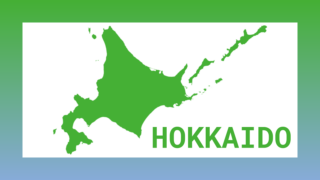
To avoid that, I broke down the four main Hokkaido regions—Northern (Dohoku), Central/Shiribeshi, Eastern (Doto), and Southern (Donan)—along with who each one actually suits best.
Quick Comparison: Hokkaido’s 4 Kazunoko Regions
Here is a quick overview of how each area’s strengths and typical donation amounts stack up.
| Region (Key Municipalities) | Main Strength | Typical Donation | Best For |
|---|---|---|---|
| Northern Hokkaido / Dohoku (Rumoi, Mashike, etc.) | Processing skill, heritage brands, pre-peeled membranes | ¥12,000–¥19,000 | Classic whole pieces & formal New Year’s osechi |
| Shiribeshi & Central (Yoichi, Otaru, Iwanai, etc.) | Local-coast freshness, broken-piece value, variety | ¥10,000–¥20,000 | Everyday meals, pasta, and generous snacking |
| Eastern Hokkaido / Doto (Betsukai, Shiranuka, Nemuro, Kushiro) | Seasoned roe backed by salmon-roe processing know-how | ¥9,100–¥16,000 | Zero-prep convenience & rich dashi or creative flavors |
| Southern Hokkaido / Donan (Hakodate, Setana, etc.) | Traditional Matsumaezuke with gagome kelp & squid | ¥10,000–¥13,000 | Rice toppings & pairing with Japanese sake |
Northern Hokkaido (Dohoku): Rumoi’s Heritage Craft & Brand Power
If you want impressive, centerpiece-worthy kazunoko for New Year’s, Northern Hokkaido—centered on Rumoi City and Mashike Town—is the first place to look. Built on a deep history of herring fishing, Rumoi still ranks first in Japan for salted kazunoko production.
The big draw here is the technical skill of longtime processors like Kato Suisan, Yamaka, and Ihara Suisan. From Kato Suisan’s award-winning Ajitsuke Kazunoko Ogi to Yamaka’s Hato (made with a two-stage dashi marination), these are rock-solid choices for gifts or family gatherings.
Personally, I love that so many Rumoi listings offer usukawa-muki—salted kazunoko with the thin outer membrane already peeled off.
Years ago, I bought standard salted kazunoko feeling ambitious, botched the desalting time so badly it stayed way too salty, and then shredded the roe to bits trying to peel the membrane myself. (Ignoring the instructions and shipping a bug straight to the dinner table—not my finest engineering moment.) Having the membrane pre-removed cuts the prep stress in half.
That said, keep one catch in mind: Northern Hokkaido’s flagship is salted kazunoko, which still requires desalting and soaking in your own dashi. If you want to thaw a pack and plate it five minutes later, skip this region. It is best for people who enjoy taking the time to season crisp, whole pieces to their exact liking.
Shiribeshi & Central Hokkaido: Otaru Freshness & Value-Packed Picks
Stretching along the Sea of Japan coast—including Otaru, Yoichi, Iwanai, and Suttsu—the Shiribeshi and Central area hits a great sweet spot between coastal freshness and everyday value.
On the premium side, Otaru’s Iisaka Fuji Shoten offers rare, additive-free, unbleached salted kazunoko from the local Otaru coast, while Ishikari Bay producers like Sato Suisan offer raw, sashimi-grade kazunoko. On the budget-friendly side, Yoichi and Iwanai (such as Ide Shoten) excel at oreko—broken pieces sold at a discount. Many of these also let you pick your delivery window, which is a lifesaver when you are trying to manage limited freezer space.
Yoichi also puts out generous sampler packs combining white soy sauce, black soy sauce, mentaiko-flavored roe, and Matsumaezuke—great if you want to try a bit of everything.
The main trade-off with discounted broken pieces is presentation. They won’t look neat lined up in a formal osechi lacquer box. However, if you plan to chop them into bite-sized pieces anyway for salads, pasta, or quick snacks, the volume you get for the same donation amount is hard to beat.
Eastern Hokkaido (Doto): Ready-to-Eat Seasoned Roe by Fish-Egg Pros
If you never want to deal with desalting and just want to thaw and eat, head straight for Eastern Hokkaido—places like Shiranuka, Betsukai, Nemuro, Kushiro, and Akkeshi.
This region has decades of expertise in seasoning salmon roe (ikura and sujiko), and they apply that exact same know-how to kazunoko. The quality of their pre-seasoned, ready-to-eat kazunoko is genuinely impressive.
Betsukai’s Agodashi no Umami series uses rare Notsuke-coast roe infused with rich flying-fish dashi, consistently ranking high on Furusato Nozei portals. Shiranuka offers department-store-grade classics alongside playful twists like wasabi-mayo kazunoko that pair dangerously well with drinks. Nemuro’s light soy sauce marinades and Akkeshi’s bite-sized Kohaku no Tsuki are also standouts.
Two honest caveats here: flavor intensity and freezer space. Because the seasoning is already dialed in by pros, folks who prefer very mild flavors—or want to customize with their own white dashi—might find it slightly bold. Also, these often arrive in 500g to 1kg batches, so make sure your freezer isn’t already packed to the brim before December hits.
Southern Hokkaido (Donan): Hakodate’s Matsumaezuke Harmony
Finally, Southern Hokkaido—led by Hakodate, Setana, and Shikabe—shines not for plain kazunoko, but for Matsumaezuke, a beloved local pickled dish.
Hakodate is famous for kelp and squid, and heritage makers like Dosui take full advantage of both. They hand-break kazunoko so the marinade sinks in evenly, then toss it with thick, sticky local gagome kelp and savory surume squid. You can even find squid-ink kurozukuri versions or tasting sets paired with scallops.
Just remember that the star here is the trio of roe, kelp, and squid working together. If you are craving the clean, simple snap of plain kazunoko, the sticky kelp and sweet-savory soy sauce might feel a bit heavy. On a freezing weeknight, though, piling it straight onto a bowl of hot steamed rice feels like an instant feast.
Matching Your Choice to Your Year-End Routine
Even within one island, Hokkaido’s four kazunoko regions cater to completely different lifestyles:
- Northern Hokkaido (Rumoi, etc.): Best if you want classic whole pieces for New Year’s and don’t mind desalting and seasoning them yourself.
- Shiribeshi & Central (Otaru, Yoichi, Iwanai): Best for rare local-coast freshness or high-volume broken pieces for everyday cooking.
- Eastern Hokkaido (Betsukai, Shiranuka, Nemuro): Best for zero-prep convenience, refined dashi marinades, and creative flavors.
- Southern Hokkaido (Hakodate, etc.): Best for rich, umami-packed Matsumaezuke over rice or alongside evening drinks.
As for my own plan, I’m eyeing Eastern Hokkaido’s pre-seasoned kazunoko for easy weeknight dinners after work, while sending Rumoi’s pre-peeled salted kazunoko to my parents. Popular delivery slots tend to fill up quickly as December gets closer, so take a quick peek at your freezer space and lock in the region that fits your winter routine.