
This post contains affiliate links.
Thanks to a low-pressure system hanging over Sapporo since morning, my temples felt heavy well into Monday evening. Right after logging off, I headed straight to the municipal pool for an 800-meter swim, and somehow that washed away both the headache and the tight knot in my shoulders.
On the walk home, I ducked into Seicomart—Hokkaido’s beloved local convenience store—and grabbed a freshly cooked Hot Chef katsudon and a side salad. Honestly, nothing resets a sluggish Monday faster than warm comfort food eaten straight out of the container.
While eating, I started scrolling through year-end Furusato Nozei options on my phone. (If you pay resident taxes in Japan, this hometown tax program lets you redirect part of your tax bill to regional towns in exchange for local produce at a flat ¥2,000 net out-of-pocket cost.) That was when I stopped mid-bite: pre-orders for 2027 summer sweet corn are already opening up right now in November and December.
Reserving August vegetables before the snow has even piled up feels a little surreal, yet popular municipalities regularly hit their caps well before spring.
The catch with Hokkaido sweet corn is that varieties and shipping windows vary wildly between Tokachi, Dohoku (northern Hokkaido), and Doo (central Hokkaido). A few years back, I ordered from multiple towns on impulse, only to have two chilled boxes of 20 ears each land on my doorstep during the exact same week right before Obon. Cramming 40 ears of corn into a solo-sized vegetable drawer is physically impossible, and I ended up begging my parents to rescue half of them.
Worse yet, because you reserve more than six months ahead, by July you inevitably end up digging through old confirmation emails wondering which town you even picked.
So here is a practical breakdown of flavors, prices, and harvest timelines across Hokkaido’s three major corn regions—along with a lightweight Google Apps Script (GAS) that emails you automatic deadline and shipping reminders from a Google Sheet.
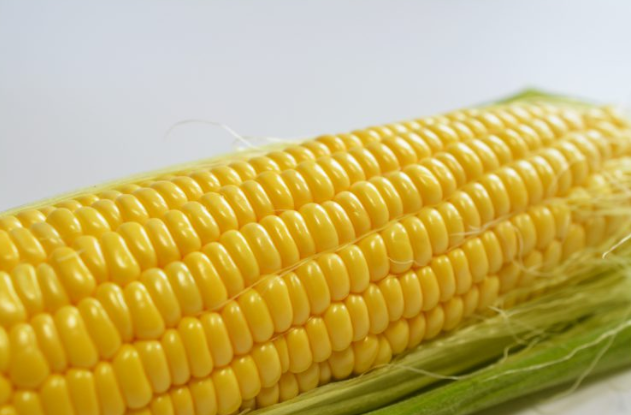
Tokachi vs. Dohoku vs. Doo: How Hokkaido’s 3 Corn Regions Differ
When picking 2027 pre-orders, the two biggest things to watch are flavor style and harvest timing. Here is how the three regions line up at a glance.
| Region | Key Towns & Main Varieties | Shipping Window | Best For |
|---|---|---|---|
| Tokachi | Memuro, Honbetsu (Gold Rush) | Late July – Late Aug | Classic sweetness, reliable supply, great value |
| Dohoku (North) | Nayoro, Biei, Asahikawa (Nayoro White, Yuki no Yosei) | Early Aug – Mid Sept | Ultra-sweet white corn eaten raw, bulk boxes |
| Doo (Central) | Nanporo, Abira, Chitose (Pure White, Megumi) | Early Aug – Late Sept | Award-winning brands and first-pick comparisons |
Notice how the peak harvest moves like a relay baton from Tokachi up to Dohoku and over to Doo. Staggering your orders across regions lets you enjoy fresh morning-picked corn from midsummer into early autumn without overwhelming your fridge.
Tokachi: Japan’s #1 Producer & Classic “Gold Rush”
Tokachi’s flagship town is Memuro, which grows more sweet corn than anywhere else in Japan. In fiscal 2025, Memuro brought in roughly ¥600 million across 54,000 Furusato Nozei donations, and sweet corn alone made up nearly half of them.
Growers here harvest only the nutrient-packed “ichibanka” (the top, first-ripening ear on each stalk) in the cool early morning and ship it chilled straight from the farm. Their main variety, Gold Rush, has bright yellow kernels, a crisp snap, and a clean sweetness you can bite into raw right out of the box.
For 2027 pre-orders, Memuro offers 13 large ears (2L, around 5kg) of Gold Rush for ¥11,000 (or ¥9,500 for cosmetically imperfect boxes) and 20 ears for ¥14,500. Shipping runs from late July through late August—including over the Obon holiday week, which is handy if you have family visiting.

Memuro Gold Rush Sweet Corn 13 Ears 5kg [Furusato Nozei]
Note: Links to Rakuten Japan (Chrome auto-translate works well).
Nearby Honbetsu also lets you pick box sizes of morning-harvested Gold Rush, while Memuro’s Dolce Dream and Makubetsu’s organic Milky Sweets give you plenty of room to experiment. If you want dependable quality and value first, Tokachi is the safest place to start.

Honbetsu Freshly Picked Gold Rush Corn [Furusato Nozei]
Note: Links to Rakuten Japan (Chrome auto-translate works well).
Dohoku (North): Extreme Temp Swings & Vacuum-Cooled White Corn
Head north to Dohoku—towns like Nayoro, Biei, and Asahikawa—and the spotlight shifts to white corn. Nayoro deals with a massive 60°C temperature gap between summer and winter, sharp day-to-night swings, moisture-retaining soil, and clear water from the Teshio and Nayoro rivers. That combination pushes sugar levels up to 17–18° Brix.
What stands out to me in Dohoku is their use of “vacuum precooling” immediately after harvest. It pulls the field heat out of the corn almost instantly so the natural sugars stay locked in during chilled transit rather than turning to starch.
Nayoro White (including varieties like Pure White) is often called the “phantom white jewel” because it is sweet enough to eat raw, and you will find generous 5kg (11–13 ears) up to 10kg+ (23–25 ears) boxes. Shipping runs slightly later than Tokachi, from early August to mid-September.

Nayoro White Sweet Corn Pure White 5kg-10kg [Furusato Nozei]
Note: Links to Rakuten Japan (Chrome auto-translate works well).
Biei’s Yuki no Yosei (8 ears for ¥10,000 or 12 ears for ¥13,000) and Asahikawa’s Shirokuma and Lion Corn tasting sets also make Dohoku hard to beat if you love white or mixed varieties.

Asahikawa Mixed Sweet Corn Assortment [Furusato Nozei]
Note: Links to Rakuten Japan (Chrome auto-translate works well).
Doo (Central): A Crowded Arena of Boutique Brands
Central Hokkaido—spanning Sorachi, Ishikari, and Iburi—is packed with fiercely proud local brands.
- Nanporo “Pure White” & “Amaindesu”: One of Japan’s earliest pioneers of Pure White. Their signature combo pairs first-pick Pure White (19–20% sugar, 380g+ per ear) with yellow Amaindesu (400g+ per ear), available in 6-ear (¥9,000) or 20-ear (¥18,000) sets.
- Abira “Loisy Corn”: A white corn powerhouse that has won four consecutive gold medals at the Japan Vegetable Sommelier Association awards.
- Toyako & Sobetsu “Megumi” / “Megumi Gold”: Rich, deeply flavorful yellow varieties with loyal repeat fans (5kg in Toyako for ¥11,000; ~10kg in Sobetsu for ¥16,500).
- Chitose “Pure White” & Tobetsu “Dolce Dream”: Great picks when you want flexible ear counts and sizes.
While Doo shipping extends from early August into late September (and even early October for some Nanporo lots), certain towns close pre-orders surprisingly early—Nanporo’s cutoff, for instance, is March 31, 2027. If a boutique brand catches your eye, locking it in before year-end saves you from missing out.

Chitose Pure White Sweet Corn 5-16 Ears [Furusato Nozei]
Note: Links to Rakuten Japan (Chrome auto-translate works well).
Exploring Hokkaido’s regional quirks is half the fun of Furusato Nozei. If you are also eyeing seafood for your remaining tax allowance, take a look at my Hokkaido uni regional guide or my 4-region kazunoko comparison.
Copy-Paste GAS Script: Auto-Remind Deadlines & Shipping Months
Because pre-orders scatter deadlines around March and deliveries across July through September, relying on memory is asking for trouble. Here is a quick Google Apps Script that reads a Google Sheet and emails you when a candidate is within 14 days of its cutoff—or when an ordered box is due this month or next.
Create a new Google Sheet, rename the tab to CornTracker, and add these headers in row 1:
- Column A: Town
- Column B: Region
- Column C: Variety
- Column D: Deadline (e.g.,
2027/03/31) - Column E: Shipping Month (number only, e.g.,
8) - Column F: Status (
ConsideringorOrdered)
Next, open Extensions > Apps Script from the top menu, paste the code below, and hit Save.
function checkCornSchedule() {
  const ss = SpreadsheetApp.getActiveSpreadsheet();
  const sheet = ss.getSheetByName('CornTracker');
  if (!sheet) {
    Logger.log('Sheet "CornTracker" not found.');
    return;
  }

  const data = sheet.getDataRange().getValues();
  const today = new Date();
  const currentMonth = today.getMonth() + 1;
  const nextMonth = currentMonth === 12 ? 1 : currentMonth + 1;

  const deadlineAlerts = [];
  const shippingAlerts = [];

  for (let i = 1; i < data.length; i++) {
    const row = data[i];
    const town = row[0];
    const region = row[1];
    const variety = row[2];
    const deadline = row[3];
    const shippingMonth = Number(row[4]);
    const status = row[5];

    if (!town) continue;

    // 1. Check application deadlines within 14 days for items under consideration
    if (status === 'Considering' && deadline instanceof Date) {
      const diffDays = Math.ceil((deadline.getTime() - today.getTime()) / (1000 * 60 * 60 * 24));
      if (diffDays >= 0 && diffDays <= 14) {
        deadlineAlerts.push(`- ${town} (${region}): ${variety} / ${diffDays} day(s) left`);
      }
    }

    // 2. Check shipping months (current or next month) for ordered items
    if (status === 'Ordered' && (shippingMonth === currentMonth || shippingMonth === nextMonth)) {
      shippingAlerts.push(`- ${town} (${region}): ${variety} / Ships in month ${shippingMonth}`);
    }
  }

  if (deadlineAlerts.length === 0 && shippingAlerts.length === 0) {
    Logger.log('No alerts to send today.');
    return;
  }

  const nl = String.fromCharCode(10);
  let body = 'Hokkaido Furusato Nozei Corn Reminder:' + nl + nl;
  if (deadlineAlerts.length > 0) {
    body += '[Closing Soon - Considering]' + nl + deadlineAlerts.join(nl) + nl + nl;
  }
  if (shippingAlerts.length > 0) {
    body += '[Arriving Soon - Clear Fridge Space!]' + nl + shippingAlerts.join(nl) + nl + nl;
  }

  const myEmail = Session.getActiveUser().getEmail();
  MailApp.sendEmail(myEmail, '[Furusato Nozei] Sweet Corn Schedule Alert', body);
}
What the Code Is Doing (Without the Jargon)
If you do not write code every day, here is the short version: SpreadsheetApp.getActiveSpreadsheet() grabs whichever sheet you have open, and getDataRange().getValues() pulls the whole table into memory.
From there, it walks down row by row, flagging anything marked “Considering” with a deadline inside 14 days, plus anything marked “Ordered” due this month or next. When it finds a match, Session.getActiveUser().getEmail() picks up your Google account address and sends you a tidy summary.
Two Easy Traps to Avoid
Whenever I put together date-based GAS tools, the same two gotchas seem to trip everyone up—myself included.
First is accidentally typing a deadline as plain text instead of a real date. While testing a draft sheet, I carelessly typed “by 3/31” into Column D and spent 15 minutes staring at the logs wondering why the math broke. Adding deadline instanceof Date makes sure the script only calculates rows that Sheets actually recognizes as valid dates.
Second, hitting Save does not make the script run on its own. Click the clock icon (Triggers) on the left sidebar of Apps Script to schedule checkCornSchedule once a week—Monday at 9:00 AM works well. Also, on your first manual test run, Google will pop up an intimidating “This app isn’t verified” warning. That is normal for personal scripts, so just click “Advanced” and allow it to run.
To be completely honest, if you are only ordering one or two boxes of corn, dropping a reminder into your phone calendar is way faster. This sheet pays off when you are comparing multiple towns, coordinating deliveries with family, or tracking seafood and fruit alongside your corn.
Planting Next Summer’s Joy on a Cold Winter Night
Shopping for midsummer corn while the Hokkaido air turns crisp outside feels slightly backwards, yet comparing Tokachi’s Gold Rush, Dohoku’s Nayoro White, and Doo’s Pure White is a surprisingly cozy way to look forward to warm weather.
Before your year-end Furusato Nozei deadline sneaks up, jot your favorites down and map out a fridge-friendly corn relay for next summer.